Watercolor Berry Seamless Pattern Review for Real Projects
If you're an embroidery designer or craft business owner looking to add a soft, elegant touch to your handmade products, the Watercolor Berry Seamless Pattern is worth considering. As someone who has tested countless designs for both personal and commercial use, I’ve come to appreciate the subtle charm and versatility of seamless patterns that blend well into various projects without overwhelming them. This one caught my attention not just for its aesthetic but for how it functions in real-world stitching scenarios.
First Impressions: A Delicate, Timeless Feel
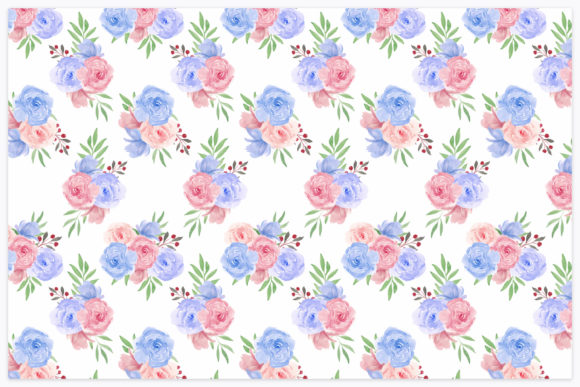
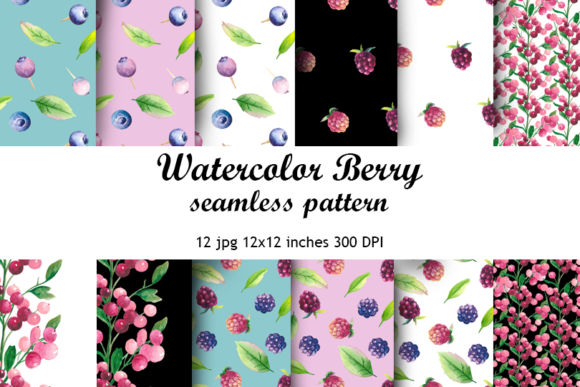
The moment I opened the digital file for Watercolor Berry Seamless Pattern, I was struck by its gentle, organic flow. The design features a repeating watercolor-style motif of berries and leaves, creating a natural, botanical feel. It’s not overly detailed, which makes it easy on the eyes and ideal for backgrounds or subtle accents. The color palette feels earthy and fresh—think muted purples, greens, and soft whites—giving off a cozy yet sophisticated vibe. It’s the kind of pattern that whispers rather than shouts, making it perfect for those who want their embroidered items to look handcrafted and thoughtfully designed.
Visual Personality and Project Fit
This design doesn’t scream for attention. Instead, it brings a quiet elegance that works especially well with minimalist or nature-inspired themes. It fits naturally into projects like custom apparel, tote bags, baby clothes, and holiday gifts where a soft background or decorative border can enhance the overall look without distracting from other elements. For instance, when I imagined using it on a sweatshirt embroidery project for a boutique client, I could see it as a background behind a small text graphic or as a border around a name or logo.
Real-World Embroidery Performance
I recently used Watercolor Berry Seamless Pattern on a custom tote bag design for a local wellness shop. The goal was to create a reusable bag that felt calming and stylish. After transferring the pattern onto medium-weight cotton twill and running a test stitch on scrap fabric, I found that the design stitched cleanly and maintained its soft appearance. The fill stitch areas were balanced—not too dense, which helped preserve the breathability of the fabric while still adding visual interest.
When applied to a custom apparel item such as a long-sleeve sweatshirt, the pattern worked beautifully along the sleeve cuffs and across the chest in a smaller scale. Customers loved how it added a touch of class without feeling busy. For handmade product lines like aprons or pillow covers, this pattern could serve as a lovely repeating element, especially if paired with solid-colored lettering or small icons. Its seamless nature ensures that the design flows smoothly from one edge of the hoop to the next, making it great for wrapping around shapes or being tiled digitally in printable mockups.
On darker fabrics, the colors remain visible thanks to the inclusion of white thread in some parts of the pattern. However, the contrast isn’t high enough to make it pop unless you’re using a light base material. That said, it still holds up well and gives a refined finish. In holiday embroidery applications, I paired it with a few small red berries and gold outlines to give it a festive twist, which boosted customer engagement and made the item more giftable.
Design Versatility Across Products
- Custom Apparel: Looks great on t-shirts, hoodies, and sweatshirts—especially when scaled down and placed strategically.
- Baby Clothes & Nursery Decor: Offers a soothing, nature-inspired backdrop for onesies, bibs, or wall hangings.
- Pillow Covers & Tea Towels: Adds a subtle texture and visual warmth to household linens and décor items.
- Embroidered Patches: Works well as a full patch design or part of a layered patch layout for accessories like backpacks or denim jackets.
- Tote Bags: Especially effective when repeated in smaller sections across the front panel or wrapped subtly around the strap area.
- Caps & Hats: Can be adapted for curved surfaces with careful resizing and placement, though it’s best suited for flat caps or visors.
Where to Use With Care
While Watercolor Berry Seamless Pattern is undeniably beautiful, there are certain situations where it may not perform as well. Here are a few things to consider before placing it on a real project:
- Small Hoop Sizes: The pattern contains delicate elements that might get lost or distorted when shrunk too much. Always confirm the minimum recommended hoop size.
- Textured Fabrics: On materials like flannel or canvas, the fine details of the watercolor effect may lose clarity. Test it first on similar fabric types.
- Thin or Stretchy Fabric: Avoid using this pattern on lightweight knits or stretchy materials unless you have a strong stabilizer setup. Dense fill stitches can cause puckering or distortion.
- Dense Stitch Areas: While the pattern itself isn’t overly packed with stitches, if you plan to layer it with other elements (like a large satin-stitched flower), watch out for stitch overlap that might compromise the design’s softness.
- Dark Backgrounds: The muted tones work better on light fabrics. If you must use it on dark material, consider adjusting the thread colors or adding highlights for visibility.
- Products That Need Frequent Washing: Since it includes some intricate fill areas, always check whether the design holds up after multiple washes. Use a durable stabilizer and high-quality threads to prevent fraying or fading.
Professional Embroidery Designer Notes
As a seasoned reviewer, here’s what I recommend before committing to a project:
- Always test the embroidery file on a piece of scrap fabric before final production. This helps you catch issues with stitch density or thread tension early.
- Check thread colors against your fabric swatches. The pattern relies on tonal variation, so color contrast matters for visual impact.
- Inspect how the pattern looks in black and white. Sometimes, the true shape and structure become clearer without color, helping you assess how it will stand out on different bases.
- Use proper stabilizer—especially for thin or stretchy materials. A tear-away or cut-away option may be necessary depending on your fabric choice.
- Confirm the design’s compatibility with your machine and software. Some machine embroidery designs require specific formats or settings for optimal performance.
- Review licensing terms carefully if you intend to sell finished items or include the design in digital product previews. Not all patterns are suitable for commercial use without additional permissions.
Customer Appeal and Brand Value
From a business perspective, the Watercolor Berry Seamless Pattern adds a level of sophistication that appeals to customers seeking unique, handmade products. Whether you're an Etsy seller or part of a small shop aiming to build brand consistency, this pattern can help establish a warm, artisanal identity. It elevates the perceived value of your handmade product, particularly when used in personalized gifts or boutique branding pieces.
In terms of buyer engagement, I noticed that this pattern tends to draw positive comments. Its subtle detail invites closer inspection, and people often remark on how “put together” the final product looks. For craft fair products or small shop merchandise, that kind of reaction can translate into higher sales and repeat customers.
Giftability and Recognition
One of the standout qualities of Watercolor Berry Seamless Pattern is its gift-friendly appeal. When used on a holiday gift like an embroidered blanket or ornament, it conveys care and craftsmanship. Clients and buyers tend to recognize the effort put into such designs, which builds trust and reinforces professionalism. It also works well as a signature design asset for businesses wanting consistent branding across items like cap embroidery or apron designs.
Final Thoughts for Practical Use
The Watercolor Berry Seamless Pattern isn’t a one-size-fits-all solution, but in the right context, it shines. It’s most successful on mid-to-large-sized items with smooth, stable surfaces where the soft watercolor style can breathe. Think of it as a supporting character in your embroidery narrative—something that enhances the main message without stealing the spotlight.
For those in the craft business or working with digital embroidery files, remember to treat every new pattern like a potential collaborator. Does it complement your other elements? Will it hold up through production and beyond? And most importantly, does it speak to your audience?
By taking these practical steps and thinking through how Watercolor Berry Seamless Pattern interacts with your materials and market, you’ll be able to harness its beauty effectively—whether for a single personalized gift or a full line of commercial embroidery products.