Watercolor Mushroom for Crafts: A Versatile Graphic Design Asset
As a seasoned digital product creator with experience in crafting, print-on-demand, and creative marketplace sales, I’ve reviewed countless design assets. The Watercolor Mushroom graphic caught my attention immediately—not because of hype or trendiness, but due to its subtle charm and clear commercial potential.
First Impressions and Niche Appeal
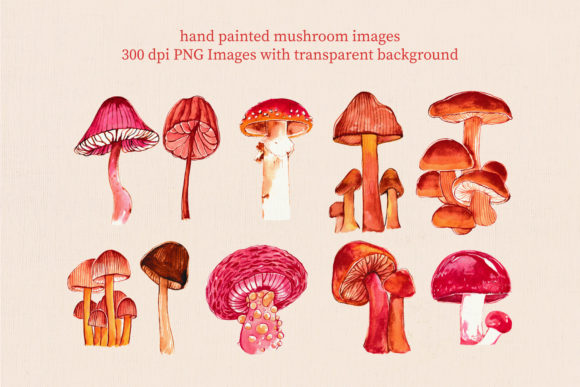
The Watercolor Mushroom design brings a soft, organic feel that instantly evokes the essence of handmade crafts. It’s not loud or flashy, but it has a quiet elegance that speaks to those who appreciate natural aesthetics and whimsical details. This kind of visual language tends to attract a more feminine, bohemian, or nature-loving audience—perfect for small business branding in the Crafts category.
I can already see how this could fit into a seasonal collection around fall, woodland themes, or cozy interiors. The watercolor style adds warmth and depth, making it ideal for products that aim to feel personal, artistic, and approachable.
Visual Personality Breakdown
- Festive — Great for autumn-themed items like greeting cards or wall art.
- Rustic — Works well in farmhouse-style decor, planner stickers, or packaging designs.
- Feminine — Appeals to buyers looking for delicate illustrations for scrapbooking or apparel.
- Decorative — Suitable for background elements in Canva templates or as part of a cohesive brand identity.
Real-World Applications for Digital Sellers
When evaluating any graphic design asset, especially for digital downloads, I look at how adaptable it is across platforms and formats. Here are some practical uses for Watercolor Mushroom:
- SVG Products: Ideal for Cricut projects such as vinyl decals, embroidery patterns, or layered cutouts on tote bags and t-shirts.
- PNG Designs: Perfect for social media graphics, printable wall art, or blog headers where transparency and crisp edges matter.
- Clipart Bundles: Fits seamlessly into themed collections, especially those focused on nature, fairies, or fantasy elements.
- Sublimation Designs: The soft color palette translates beautifully onto mugs, tumblers, and fabric-based products when printed with high-quality sublimation printers.
- Planner Stickers: Offers a charming aesthetic for weekly spreads or seasonal decorations in digital planners.
- T-Shirt Graphics: The mushroom illustration works best in muted tones or pastel shades, paired with clean fonts for a modern look.
- Mug Designs: Especially effective when placed centrally or near the handle for a decorative yet readable layout.
- Tote Bag Prints: The gentle lines and colors won’t overwhelm, which is important for large-format printing.
- Nursery Prints: Its softness and simplicity make it suitable for baby-related items without being too childish.
- Canva Templates: Adds character to invitations, quote cards, or seasonal layouts for blogs or small businesses.
- Scrapbooking Kits: Provides a natural motif that pairs well with other botanical elements and handwritten text styles.
- Digital Paper Packs: When used sparingly, it enhances pages without cluttering the space.
- Social Media Templates: Offers a unique touch for posts celebrating fall, wellness, or nature-inspired content.
Commercial Use Considerations
If you’re planning to use Watercolor Mushroom in your commercial design work, it’s essential to check the licensing terms. Many free assets aren’t cleared for resale, so always confirm that the commercial license allows you to sell finished products using this illustration. If it does, then it becomes a valuable addition to your design toolkit.
Testing Before Launch: What Every Seller Should Do
Before publishing an Etsy listing or Shopify product, I always test the design in multiple contexts. Here’s what I recommend for Watercolor Mushroom:
- Create Mockups: Use product mockup tools to preview how it looks on real-world items like mugs, shirts, and notebooks. This helps identify scaling issues or color inconsistencies.
- Thumbnail Test: See how the design appears in thumbnail size. Watercolor details might get lost if the image isn’t strong enough at smaller sizes.
- Background Contrast: Try placing it on both white and dark backgrounds to ensure visibility and clarity. Some watercolor effects can appear washed out on darker surfaces.
- Print Quality Check: Print a sample on different materials (cotton, ceramic, paper) to assess color fidelity and resolution.
- Transparency Inspection: For PNG files, verify that the edges are clean and the transparent background doesn’t have artifacts.
- SVG Cutting Lines: If using it for Cricut or Silhouette, zoom in to inspect cut paths and layer separations. Tiny details may require manual tweaking for optimal results.
- Font Pairing: Experiment with various typography styles—serif, sans serif, script, and handwritten—to find the right balance between the illustration and text.
Where It Shines
The Watercolor Mushroom excels in several areas that are key to a professional-looking online shop:
- Large Product Previews: Its intricate brush strokes show off well in full-size images, adding perceived value to listings.
- Themed Bundles: Easily integrates into fall or nature-focused bundles, helping to build a cohesive collection.
- Decorative Layouts: Serves as a great accent in digital paper packs or scrapbooking kits where subtle design elements are appreciated.
- Printable Products: Looks stunning as a standalone print or in layered compositions for downloadable wall art or calendars.
- Merchandise Graphics: Works particularly well on minimalist apparel and accessories, where the focus remains on the design itself.
- Product Mockups: Enhances the overall appeal of mockups by providing a sense of craftsmanship and creativity.
- Design Assets for Creative Marketplaces: Whether sold as an SVG, PNG, or clipart file, it fits neatly into the Crafts and handmade niches.
Where Caution Is Advised
While versatile, there are scenarios where the Watercolor Mushroom might not perform as well. These include:
- Tiny Sticker Details: The fine brushwork can become distorted or unclear when scaled down.
- Overly Complex Layouts: Adding too many similar watercolor elements may lead to visual noise rather than harmony.
- Low-Resolution Printing: Avoid using it on products where print quality is compromised, like certain cheap T-shirt printers.
- Crowded Thumbnails: In marketplace listings with many competing visuals, simpler designs tend to stand out more.
- Dark Backgrounds: Unless the design includes strong contrast, it might lose impact when placed on darker tones.
- Text-Heavy Templates: The soft, illustrative style could be overshadowed by dense text blocks.
- Projects Requiring Clean Cutting Lines: If the SVG lacks precise paths, expect potential issues with die-cutting machines.
Pro Seller Tip
Organize your graphic design assets clearly for customers. If you’re selling the Watercolor Mushroom as a digital download, provide separate layers for each element and include a usage guide with suggested pairings and applications. This builds customer trust and reduces support inquiries later on.
Final Thoughts for Crafters and Designers
The Watercolor Mushroom is a solid choice for sellers aiming to create a warm, inviting product line in the Crafts niche. It supports a wide range of print-on-demand and digital download offerings while maintaining a consistent visual tone. However, like any design, it needs careful testing and thoughtful placement to avoid common pitfalls like low visibility or poor scalability.
For bloggers and content creators, it offers a fresh way to elevate social media posts or newsletter headers. For Canva template sellers, it can serve as a signature detail in seasonal layouts. And for Etsy or Creative Fabrica shops, it provides a ready-to-use illustration that feels both original and accessible.
In short, if you're building a collection of design assets that lean toward the natural and handcrafted, the Watercolor Mushroom is worth considering—but always validate it against your specific use cases before finalizing listings or promotional materials.